Have you ever faced a dead car battery after a night of parking? It's a common issue that can leave you stranded. In this article, we will explore the reasons why your car battery drains overnight. You will learn how to diagnose the problem effectively and what steps to take to prevent it from happening again.
Common Causes of Battery Drainage
There are several reasons why a car battery may drain overnight. Understanding these causes can help you identify and resolve the issue effectively. Here are some common causes:
- Leaving Lights On: If you forget to turn off interior lights or headlights, it can quickly drain the battery. Always double-check that all lights are off before leaving your vehicle.
- Faulty Alternator: The alternator is responsible for charging the battery while the engine runs. If it is malfunctioning, the battery may not receive enough charge, leading to drainage. You can test the alternator by using a multimeter to check the voltage while the engine is running; it should read between 13.7 and 14.7 volts.
- Parasitic Draw: Some electrical components, such as radios or alarms, may draw power even when the car is off. To diagnose this, you can use a multimeter to measure the current draw from the battery when the vehicle is off. A draw over 50 milliamps may indicate a problem.
- Old Battery: Batteries have a limited lifespan, typically around 3 to 5 years. If your battery is old, it may not hold a charge effectively. Consider checking the manufacturing date on the battery and replace it if it is nearing the end of its life.
- Cold Weather: Low temperatures can significantly impact battery performance. In cold weather, the battery's chemical reactions slow down, reducing its ability to hold a charge. Keeping your vehicle in a garage or using a battery warmer can help mitigate this effect.
Diagnosing Battery Drainage Issues
To effectively diagnose why your car battery is draining overnight, you can follow these detailed steps:
- Visual Inspection: Begin by conducting a thorough visual check of your vehicle's interior and exterior. Ensure that all lights, including dome lights, headlights, and trunk lights, are turned off. Also, check for any electronic devices, such as phone chargers or GPS units, that may have been left plugged in.
- Test the Battery: Use a multimeter to measure the battery's voltage. A healthy, fully charged battery should read around 12.6 volts or higher. If the reading is significantly lower, your battery may be weak or failing.
- Check the Alternator: Start your vehicle and measure the voltage at the battery terminals again. A properly functioning alternator should produce a voltage between 13.7 and 14.7 volts. If the voltage is below this range, the alternator may not be charging the battery effectively.
- Parasitic Draw Test: To check for parasitic drain, first disconnect the negative battery terminal. Then, set your multimeter to measure current (amps) and connect it in series between the negative terminal and the battery cable. A reading above 50 milliamps indicates a significant drain that needs further investigation.
- Inspect Fuses: Examine the fuses in your vehicle’s fuse box. Look for any blown fuses, as they can indicate faulty wiring or malfunctioning electrical components that could be causing the battery drain.
Using a Multimeter for Diagnostics
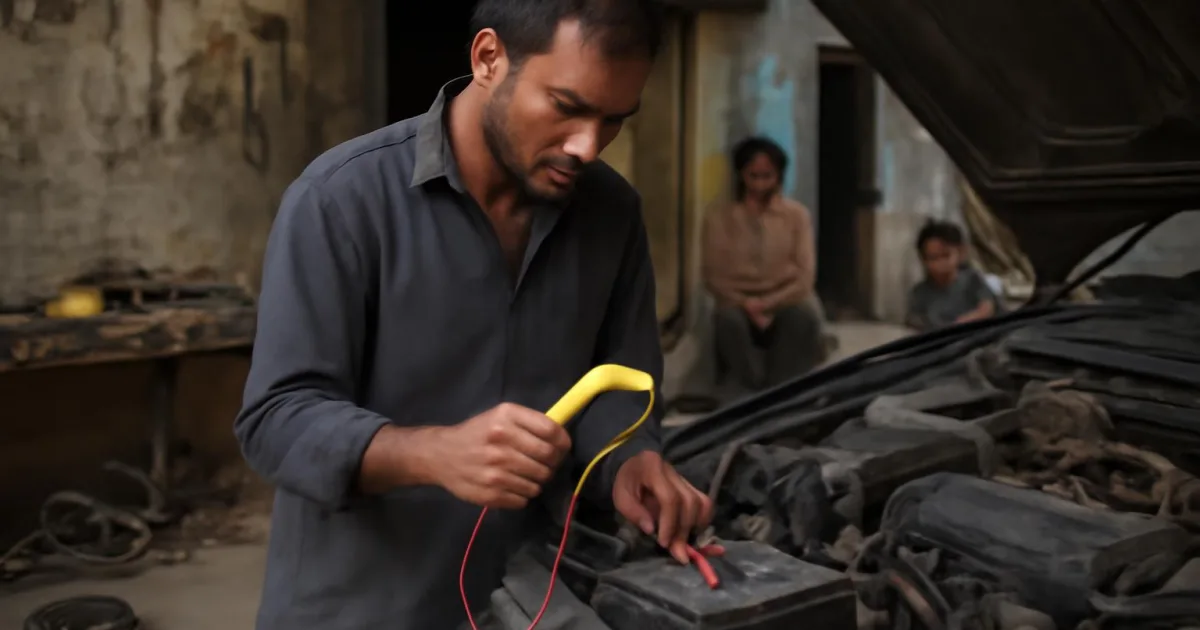
A multimeter is an essential tool for diagnosing electrical problems in vehicles, particularly when dealing with a car battery that drains overnight. Here’s a detailed guide on how to effectively use a multimeter for this purpose:
- Set to Voltage: First, turn on your multimeter and set it to measure DC voltage. This mode is crucial because car batteries operate on direct current.
- Check Battery Voltage: To check the battery voltage, take the multimeter probes and connect the red probe to the positive terminal and the black probe to the negative terminal of the battery. A healthy battery should read between 12.4 to 12.7 volts when fully charged. If the reading is below 12.4 volts, your battery may be weak or failing.
- Check for Drain: With the car completely off, you can test for any current draw. Disconnect the negative battery terminal and connect the multimeter in series between the negative terminal and the cable. This setup allows you to measure the current draw from the battery.
- Analyze Readings: Observe the reading on the multimeter. If it shows a current draw above 50 milliamps, this indicates a parasitic draw, meaning some electrical component is draining the battery even when the vehicle is off. Common culprits can include lights, radios, or faulty wiring.
Preventive Measures to Avoid Battery Drain
To prevent battery drainage in the future, follow these practical tips:
- Regular Maintenance: Perform routine checks on your battery and electrical system every few months. Look for corrosion on battery terminals, and clean them if necessary. Additionally, test the battery voltage using a multimeter to ensure it is holding a charge properly.
- Turn Off Accessories: Before exiting your vehicle, double-check that all electrical accessories, including headlights, interior lights, and infotainment systems, are turned off. A useful practice is to make it a habit to perform a quick walk-around of the vehicle to ensure everything is off.
- Replace Old Batteries: If your car battery is older than three years, it may not hold a charge effectively. Consider having it tested at a local auto shop. If the test shows reduced capacity, it’s wise to replace the battery to avoid unexpected failures.
- Use Battery Disconnects: If you plan to leave your vehicle parked for an extended period, consider installing a battery disconnect switch. This device allows you to easily disconnect the battery, preventing it from draining due to small parasitic loads from electronic components.
When to Seek Professional Help
If you have tried troubleshooting your car's battery drain and still cannot identify the cause, it is advisable to seek professional help. Recognizing the right time to involve an expert can save you time and prevent further damage to your vehicle. Here are some clear signs that indicate you should consult a professional mechanic:
- Frequent Battery Issues: If your car battery keeps dying repeatedly, this is a strong indication of an underlying problem. For example, if you have replaced the battery recently but still face the same issue, there may be a deeper electrical fault that needs expert diagnosis.
- Complex Electrical Problems: If you notice strange behaviors in your car’s electrical system, such as flickering lights or malfunctioning accessories, and you are unsure how to address them, it’s time to call in a professional. These issues could be linked to wiring problems or a faulty alternator, which require specialized knowledge to fix.
- Safety Concerns: If you ever feel uncertain or unsafe while dealing with your car’s electrical system, prioritize your safety and consult a professional. Electrical systems can be hazardous, and a qualified technician can ensure that repairs are done safely and correctly.
Understanding and Resolving Battery Drainage
Understanding why your car battery drains overnight is crucial for effective maintenance. By diagnosing the problem and taking preventive measures, you can avoid being stranded. If issues persist, don't hesitate to seek professional help.
Learn this properly
For structured, hands-on practice, these SkillPak courses cover the topic:
- Fuel Mileage Diagnosis - Suzuki All Models
- Automotive Power Windows System & Circuits
- Understanding Automotive Electrical Circuit Wiring Diagrams