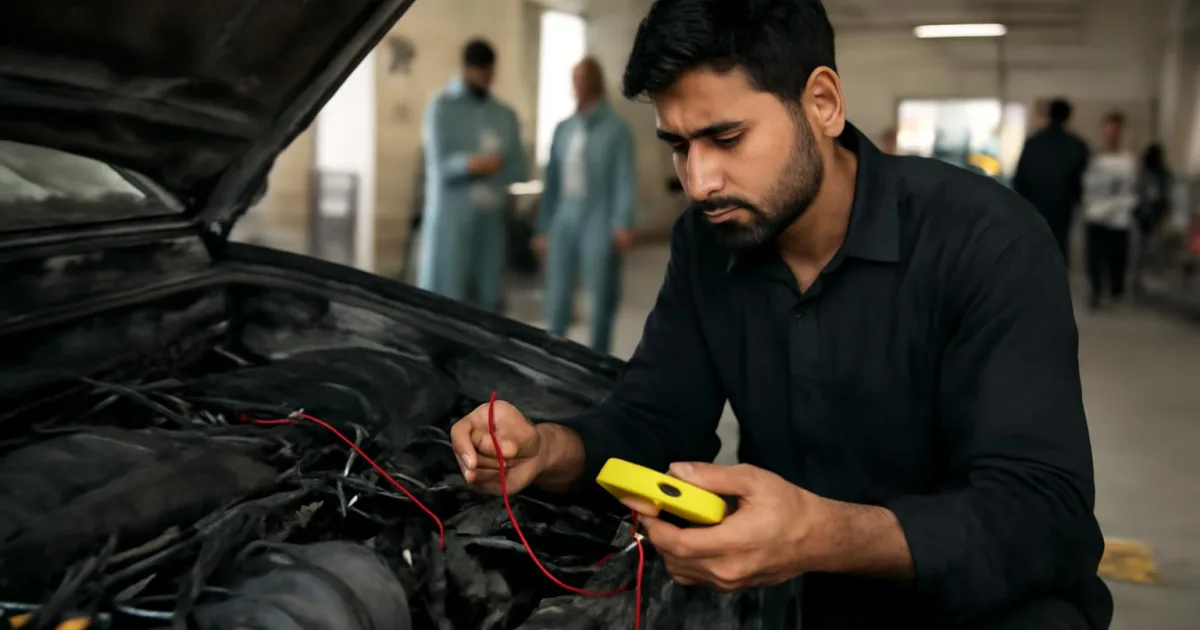
This guide will help you understand automotive electrical circuits and wiring. You will learn the basics, tools needed, and common practices. By the end, you will feel ready to tackle your first job in automotive electrical work.
Understanding Automotive Electrical Systems
Automotive electrical systems are vital for the smooth functioning of modern vehicles, as they control essential components like headlights, ignition systems, power windows, and audio systems. To work effectively in this field, it is important to grasp the fundamental concepts of electricity, which include voltage, current, and resistance. Understanding these principles will empower you to diagnose and repair electrical issues in vehicles.
A practical way to start is by learning Ohm's Law, which states that voltage (V) equals current (I) multiplied by resistance (R). This relationship is fundamental when working with circuits. For example, if you know the resistance of a component and the voltage supplied, you can calculate the current flowing through it. Familiarize yourself with a multimeter, a crucial tool for measuring voltage, current, and resistance in circuits. Begin by practicing measurements on simple circuits, such as a battery lighting a bulb.
Additionally, pay attention to the wiring diagrams for different automotive systems. These diagrams provide a visual representation of how components are connected. Start with basic systems, like the lighting circuit, and gradually move to more complex systems, such as the ignition or charging systems. This step-by-step approach will enhance your understanding and build your confidence in handling automotive electrical systems.
Essential Tools for Wiring Tasks
To successfully work with automotive electrical circuits, having the right tools is crucial. Each tool serves a specific purpose and can significantly enhance your efficiency and safety during wiring tasks. Here are some essential tools you should have:
- Multimeter: This tool is vital for diagnosing electrical issues. It allows you to measure voltage, current, and resistance within the circuit. Start by setting the multimeter to the appropriate mode based on what you need to measure. For example, if checking battery voltage, set it to DC voltage.
- Wire Strippers: These are used to remove insulation from wires without damaging the copper underneath. Choose a wire stripper that matches the gauge of the wire you are working with. To use, select the correct notch for the wire gauge, insert the wire, and pull the handles to strip the insulation.
- Soldering Iron: This tool is essential for creating strong, permanent connections between wires. To solder, heat the iron, apply solder to the joint, and allow it to cool to form a solid bond.
- Crimping Tool: Use this tool to attach connectors securely to the ends of wires. Position the connector in the tool, insert the wire, and squeeze the handles to create a tight connection.
- Electrical Tape: This tape is used for insulating and protecting connections from moisture and wear. Wrap it securely around exposed wire connections to prevent short circuits.
Equipping yourself with these tools will enable you to perform basic wiring tasks effectively and safely, ensuring reliable electrical connections in automotive applications.
Basic Wiring Techniques
When working with automotive wiring, mastering basic techniques is essential for success. Here are some key skills to focus on:
- Stripping Wires: Start by using a wire stripper, which is designed to remove insulation without compromising the wire itself. To do this, choose the appropriate gauge setting on the stripper, place the wire in the slot, and squeeze the handles. Pull the wire out gently to expose the copper without nicking it. This technique is crucial for ensuring a good connection later on.
- Connecting Wires: You have two main options for connecting wires: soldering and crimping. For soldering, heat the wire ends with a soldering iron, apply solder, and allow it to cool for a strong bond. Make sure to clean the wires and use flux for better adhesion. If you prefer crimping, use a crimping tool to attach connectors securely to the wire ends. This method is quicker and often preferred in automotive applications where speed is essential.
- Using Connectors: Familiarize yourself with different types of connectors, such as spade connectors for quick disconnects and butt connectors for joining two wires. Practice using these connectors by connecting wires of similar gauge, ensuring a snug fit. Knowing when to use each type will enhance the reliability of your wiring.
By practicing these fundamental techniques, you’ll build the confidence needed to tackle more complex automotive electrical tasks effectively.
Common Electrical Problems and Solutions
When working with automotive electrical systems, it's essential to recognize and address common problems that can arise. Here are some typical issues you may face, along with practical steps to resolve them:
- Dead Battery: If the vehicle won't start, the first step is to check the battery connections for corrosion or looseness. Use a multimeter to test the battery voltage; a healthy battery should read around 12.6 volts or more. If the voltage is low, consider jump-starting the vehicle or replacing the battery if it fails to hold a charge after recharging.
- Blown Fuses: A blown fuse can lead to electrical components not working correctly, such as headlights or dashboard lights. Inspect the fuse box for any blown fuses, which can usually be identified by a broken metal strip inside the fuse. Replace any blown fuses with ones of the same amperage. Always consult the vehicle's manual for the correct fuse specifications.
- Faulty Wiring: Damaged or frayed wires can cause short circuits or intermittent electrical failures. Carefully examine the wiring harness for signs of wear or damage. Use electrical tape to repair minor frays, but replace any severely damaged wires to ensure safe and reliable operation.
By understanding these common electrical issues and their solutions, you will be better equipped to troubleshoot effectively and make necessary repairs in your first job as an automotive technician.
Continuing Your Education in Automotive Wiring
To further enhance your skills in automotive wiring, enrolling in specialized courses can be highly beneficial. The Automotive Electrical Circuits & Wiring course at SkillPak offers comprehensive training that includes both theoretical knowledge and practical, hands-on experience. This course covers essential topics such as circuit design, wiring diagrams, and troubleshooting techniques that are critical for any automotive technician.
In addition to this foundational course, consider taking the Automotive Electrical Fundamentals course. This class will deepen your understanding of electrical principles, including Ohm's Law and the functions of various electrical components in vehicles. Mastery of these concepts is essential for diagnosing and repairing electrical issues effectively.
Furthermore, the Automotive Engine & Live Data Fundamentals course can provide you with insights into engine performance and how to interpret live data from diagnostic tools. This knowledge is particularly useful when working on modern vehicles that rely heavily on electronic systems.
Continuous education is vital in the rapidly evolving automotive industry. By staying current with the latest technologies and practices through these courses, you can significantly enhance your skill set and career prospects. Consider setting aside time each month to learn something new or refresh your existing knowledge, as this commitment to learning will pay off in your professional journey.
Ready to Start Your Journey?
By following this step-by-step guide, you now have a foundation in automotive electrical circuits and wiring. Remember to practice regularly and seek further education to refine your skills. Your first job in this field can be a great opportunity to apply what you've learned.