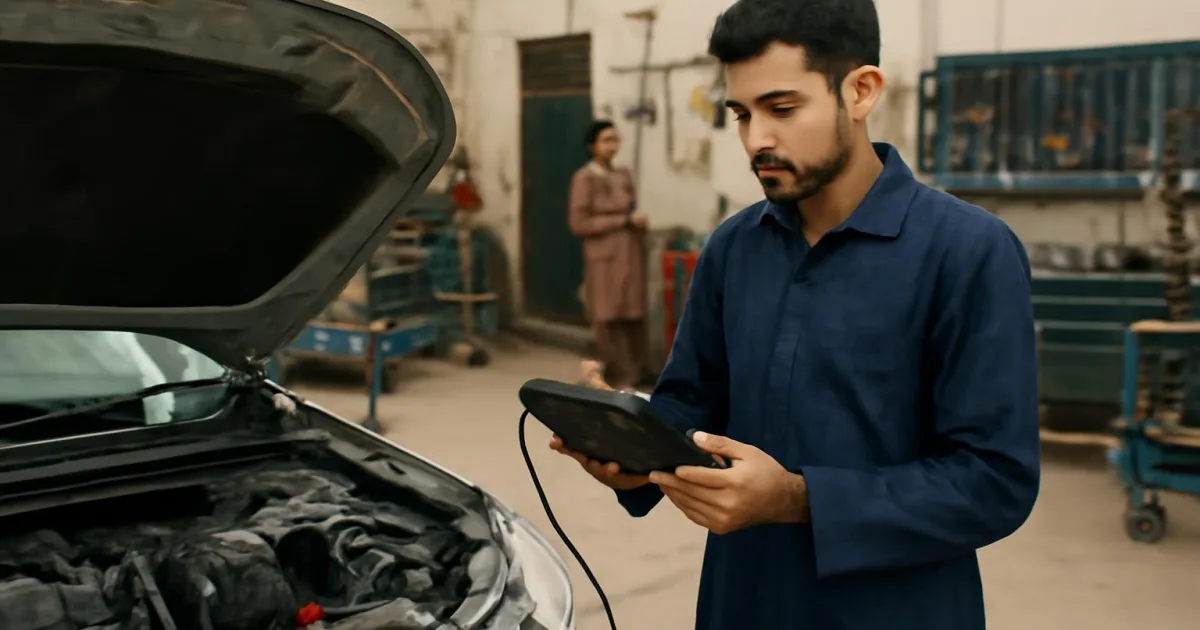
Choosing the right diagnostic tool for your vehicle can be challenging. This article will explain the differences between automotive diagnostic scanners and OBD2 scanners. You will learn how each tool works, their advantages, and when to use them. Understanding these differences will help you make an informed decision for your automotive needs.
What is an Automotive Diagnostic Scanner?
An automotive diagnostic scanner is a specialized tool that helps technicians identify and troubleshoot various issues within a vehicle. This device connects directly to the car's onboard computer system, enabling it to read fault codes generated by the vehicle. These fault codes are crucial as they indicate specific problems, such as engine misfires, transmission failures, or issues with the braking system.
In addition to reading codes, many advanced automotive diagnostic scanners provide detailed information about engine performance, transmission health, and other essential systems. For instance, a technician can use the scanner to check the oxygen sensor readings or monitor fuel trim levels, which can help diagnose performance issues more accurately.
One of the standout features of modern diagnostic scanners is their ability to display live data streams. This allows technicians to observe real-time performance metrics while the vehicle is running. For example, if a technician suspects that an engine is overheating, they can monitor the coolant temperature in real-time to confirm their hypothesis. Popular models often include multi-brand compatibility, meaning they can be used across different car manufacturers, making them versatile tools in any workshop.
What is an OBD2 Scanner?
An OBD2 scanner is a specialized diagnostic tool designed for vehicles manufactured after 1996, which are mandated to include an OBD2 port. OBD2 stands for On-Board Diagnostics II, and it serves as a vital interface for accessing the vehicle's computer systems. The primary function of an OBD2 scanner is to read and clear diagnostic trouble codes (DTCs), which are codes generated by the vehicle's onboard computer when it detects a problem within the engine or emissions systems.
When you connect an OBD2 scanner to the vehicle's OBD2 port, it can provide real-time data such as engine RPM, coolant temperature, and vehicle speed. This information can be invaluable for diagnosing issues quickly. For instance, if a check engine light appears on the dashboard, an OBD2 scanner can help identify whether the problem is related to a misfiring engine or a faulty oxygen sensor.
However, it's important to note that while OBD2 scanners are useful for basic diagnostics, they may not offer the comprehensive features found in more advanced automotive diagnostic scanners, which can access additional systems such as transmission, ABS, and airbag systems. Consequently, OBD2 scanners are ideal for quick checks and straightforward diagnostics, especially when dealing with emissions-related issues that can impact vehicle compliance with environmental regulations.
Key Differences Between the Two Scanners
When comparing automotive diagnostic scanners and OBD2 scanners, the key differences are significant and can affect your choice depending on your needs. Here are some important distinctions:
- Functionality: Automotive diagnostic scanners are designed to provide in-depth diagnostics. They can access various systems in the vehicle, such as the engine, transmission, ABS, and airbag systems, offering detailed information about potential issues. In contrast, OBD2 scanners focus primarily on reading Diagnostic Trouble Codes (DTCs) related to emissions and engine performance, which limits their functionality.
- Vehicle Coverage: Diagnostic scanners are versatile and can support a wide range of manufacturers and models, making them ideal for mechanics who work on diverse vehicles. OBD2 scanners, however, are restricted to OBD2-compliant vehicles, which typically include models manufactured after 1996. This means that if you work on older vehicles, an OBD2 scanner may not be sufficient.
- Data Access: Many automotive diagnostic scanners offer live data monitoring, allowing you to view real-time data from various sensors while the vehicle is running. This feature is crucial for diagnosing intermittent problems. OBD2 scanners might not provide this live data, limiting their diagnostic capabilities.
Understanding these differences is essential for selecting the right tool for your automotive needs, whether you're a technician or a DIY enthusiast.
When to Use Each Scanner?
Deciding whether to use an automotive diagnostic scanner or an OBD2 scanner depends on the specific requirements of your vehicle diagnosis.
- Use an Automotive Diagnostic Scanner: Opt for this tool when you require detailed diagnostics. For instance, if you're troubleshooting complex electrical issues or need to read live data streams from various sensors, an automotive diagnostic scanner is essential. This tool is especially useful when working on a range of vehicle makes and models, as it often includes manufacturer-specific codes and functions. For example, if you're servicing a vehicle with advanced features like ABS or airbag systems, this scanner can provide comprehensive insights.
- Use an OBD2 Scanner: This scanner is ideal for quick assessments, particularly if your primary concern is emissions-related problems or if you are working with a newer vehicle. It is user-friendly and can swiftly retrieve basic trouble codes and monitor the vehicle's emission control system. If you notice your check engine light is on, an OBD2 scanner can help you access the trouble codes quickly, allowing you to determine if it's a minor issue, like a loose gas cap, or something that requires more attention.
By understanding the strengths of each tool, you can enhance your diagnostic efficiency and improve your automotive repair skills.
Recommended Courses for Learning More
To enhance your understanding of automotive diagnostics, enrolling in specialized courses can be highly beneficial. SkillPak provides a range of structured courses designed to equip you with practical skills and theoretical knowledge. Here are some recommended options:
- Automotive Scantools - A Step-by-Step Guide - This course focuses on the effective use of various diagnostic tools. You will learn how to connect scanners to different vehicle models and interpret the codes they generate. Hands-on exercises will help you practice troubleshooting common issues.
- Automotive Electrical Fundamentals - In this course, you will gain a solid foundation in automotive electrical systems. Topics covered include circuit theory, wiring diagrams, and the function of various electrical components. Understanding these fundamentals is crucial for effective diagnostics.
- Automotive Engine & Live Data Fundamentals - This course dives into engine diagnostics and the importance of live data analysis. You will learn how to monitor real-time data from the engine control unit (ECU) and use this information to identify performance issues.
Enrolling in these courses will not only improve your skills with diagnostic scanners but also deepen your understanding of vehicle systems, making you a more competent technician in the automotive field.
Final Thoughts
In summary, automotive diagnostic scanners and OBD2 scanners serve different purposes. Understanding their differences will help you choose the right tool for your needs. Whether you are a technician or a car owner, having the right scanner can make a significant difference in diagnosing and repairing vehicle issues.