Are you starting your career in automotive technology? Understanding automotive networks is essential. This guide will take you step by step through diagnosing communication issues in automotive systems. You'll learn practical skills that are crucial for your first job as a technician.
Understanding Automotive Networks
Automotive networks are essential for enabling communication between various systems in a vehicle, such as the engine, transmission, and safety features. Two of the most common types of networks you will encounter are the Controller Area Network (CAN) and the Local Interconnect Network (LIN). Each of these networks operates under specific protocols that govern how data is exchanged.
To begin your understanding of automotive networks, start by learning the basics of the CAN protocol. This network is widely used in modern vehicles due to its robustness and efficiency in handling multiple signals. For example, when you press the brake pedal, the CAN network transmits this information to the engine control unit, which may adjust engine power to ensure smooth deceleration.
On the other hand, the LIN network is typically used for simpler tasks, such as controlling windows or lighting. It is less complex and cheaper to implement, making it suitable for less critical systems in the vehicle.
As you prepare for your first job in automotive diagnostics, familiarize yourself with the wiring diagrams and data flow of these networks. Practice using diagnostic tools like an OBD-II scanner to read error codes and monitor live data. Understanding how different components communicate will help you pinpoint issues more effectively during repairs.
Tools You Will Need
To effectively diagnose automotive networks, it is crucial to have the right tools at your disposal. Here’s a detailed list of essential tools and their purposes:
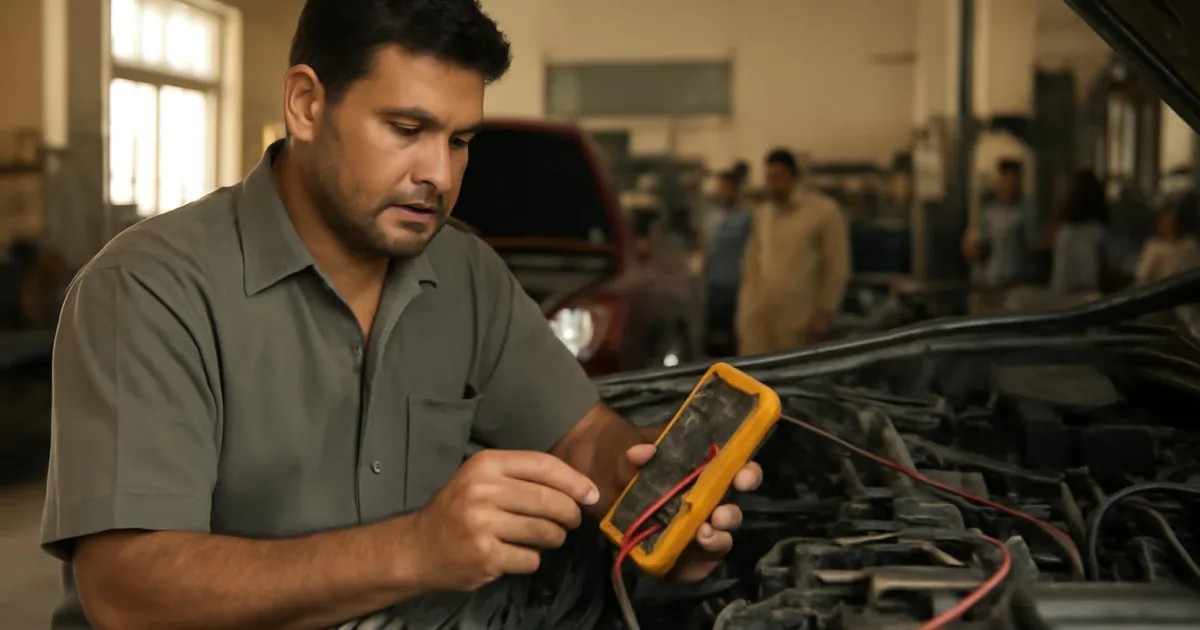
- Multimeter: This is a fundamental tool for any technician. Use it to check voltage levels, measure resistance, and test continuity in electrical circuits. To use a multimeter, set it to the appropriate mode (voltage, resistance, or continuity) and connect the probes to the points you want to test. For instance, when testing a battery, place the red probe on the positive terminal and the black probe on the negative terminal to check the voltage.
- OBD-II Scanner: An On-Board Diagnostics (OBD-II) scanner is vital for reading error codes from the vehicle's computer. Connect the scanner to the OBD-II port, usually located under the dashboard. Once connected, follow the scanner's instructions to retrieve diagnostic trouble codes (DTCs) that can help identify issues in the vehicle's systems.
- Wiring Diagrams: Access to accurate wiring diagrams is invaluable. These diagrams provide a visual representation of the network layout, helping you understand how different components are connected. You can often find these diagrams in service manuals or online resources. Familiarize yourself with the wiring layout to troubleshoot effectively.
Having these tools ready will equip you with the necessary resources to diagnose automotive networks confidently and efficiently during your first job.
Step-by-Step Diagnostic Process
- Check Power and Ground: Begin your diagnostic process by confirming that the network has both power and a solid ground connection. You can do this by locating the power supply and ground points in the vehicle's wiring diagram. Ensure that the battery is charged and that connections are clean and secure.
- Use a Multimeter: Next, utilize a multimeter to measure voltage at various points within the network. For example, check the voltage at the connectors of different modules. A typical reading should be around 12 volts; any significant deviation might indicate a problem that needs addressing.
- Scan for Fault Codes: Use an OBD-II scanner or a specialized diagnostic tool to read any stored trouble codes from the vehicle's computer. These codes provide valuable insight into which systems may be malfunctioning and can help narrow down your diagnostic focus.
- Inspect Wiring: Carefully examine the wiring harness for signs of damage, corrosion, or loose connections. Pay particular attention to areas where wires may rub against sharp edges or where moisture could accumulate, as these are common failure points.
- Test Modules: If issues persist, test individual electronic modules. Disconnect a module and use the multimeter to check for communication signals. This can help you determine if a specific module is causing the communication failure.
Common Issues and Solutions
When diagnosing common issues in automotive networks, several problems frequently arise, including faulty connections, damaged wires, and failing modules. Start your troubleshooting process by checking all connections in the network. Loose or corroded connectors can lead to communication failures, so ensure that each connector is secure and free from corrosion. If you find any issues, clean the connectors or replace them as necessary.
If the connections appear to be in good condition, the next step is to inspect the wiring. Look for any visible signs of damage such as fraying, cuts, or exposed wires. Use a multimeter to test the continuity of the wires. If any wire fails the continuity test, it should be repaired or replaced to restore proper communication.
After ensuring that the connections and wiring are intact, it’s time to use your scanner tool. Connect the scanner to the vehicle’s diagnostic port and run a full system scan. Pay attention to any error codes that are reported. These codes will help pinpoint which module is malfunctioning. Once you identify a specific module, further investigate its connections and functionality. If necessary, refer to the vehicle's service manual for detailed diagnostics and procedures related to that module.
Further Learning Opportunities
To further develop your skills in the automotive field, it's beneficial to pursue additional courses such as Automotive Electrical Fundamentals and Automotive Networks-Communication Diagnosis. These courses are designed to deepen your understanding of crucial automotive systems and enhance your practical abilities.
For example, in the Automotive Electrical Fundamentals course, you will learn about electrical circuits, battery systems, and wiring diagrams. This foundational knowledge is key for diagnosing electrical issues in vehicles. You will also engage in hands-on training, where you can practice using multimeters and other diagnostic tools to troubleshoot real-world electrical problems.
Similarly, the Automotive Networks-Communication Diagnosis course focuses on the communication systems within modern vehicles, such as CAN (Controller Area Network) and LIN (Local Interconnect Network). Understanding these networks is essential for diagnosing and repairing faults in vehicle communication systems. You will work on simulations and actual vehicle setups to gain first-hand experience in identifying communication errors.
Additionally, consider joining online forums or local automotive clubs to stay updated on industry trends and network with other professionals. Engaging with experienced technicians can provide insights and tips that are invaluable as you begin your career.
Get Started with Confidence
Diagnosing automotive networks may seem challenging at first, but with practice, you will become proficient. Follow this step-by-step guide, and don’t hesitate to seek further training to enhance your skills. Your journey as a technician is just beginning!
Learn this properly
For structured, hands-on practice, these SkillPak courses cover the topic: